Gypsum mortar DOVA-801 


often used interchangeably with gypsum plaster) is a versatile interior building material made primarily from calcined gypsum, sand, and water. Composition & Chemistry The core of gypsum mortar is the mineral Gypsum (CaSO4 .2H2O). To make mortar: 

Calcination: The raw gypsum is heated to about 150°C, removing most of its water to create Plaster of Paris (CaSO4 . 0.5H2O). 

Rehydration: When you mix this powder with water and sand, it "rehydrates," growing needle-like crystals that interlock to form a solid, hard mass.  
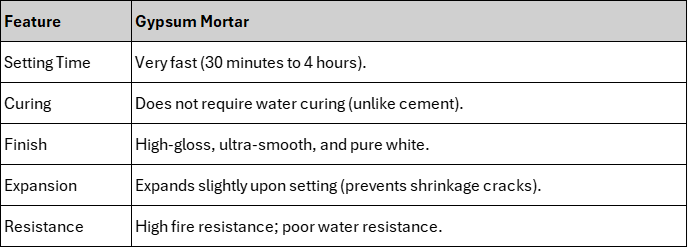
Key Characteristics

Application

  • Interior Walls & Ceilings: It provides a "paint-ready" surface that doesn't need the extra layers of putty required by cement.
  • Decorative Work: Because it captures fine detail and doesn't shrink, it’s the standard for cornices, mouldings, and ceiling roses.
  • Historic Restoration: Essential for older masonry where cement mortar would be too rigid and damage the original soft bricks.
  • Fireproofing: Used to coat structural elements because it releases steam when exposed to fire, cooling the structure.

The Standard Mixing Ratio

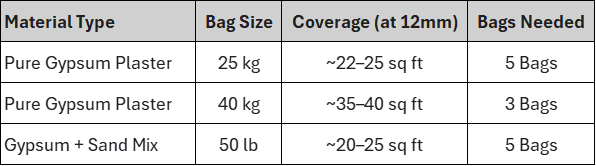
The "Cheat Sheet" for 100 sq ft

For more information about catalogues TDS, MSDS ,COA 
 Pls. send an email to requit it

CONTACT US.