What is the chemical formula of Plaster of Paris?
CaSO₄·½H₂O
The chemical formula CaSO₄·½H₂O precisely represents the hemihydrate form of calcium sulfate, where the half water molecule is crucial for its reactivity with additional water.
Properties of Plaster of Paris
Chemical Properties
Quick Setting: When mixed with water, Plaster of Paris sets quickly into a solid mass. This rapid setting is advantageous for creating molds, casts, and sculptures as it allows for a relatively short working time before hardening.
Reversibility: Plaster of Paris has the ability to return to its original state by reabsorbing water. This property allows it to be reused or reformed by adding water, making it versatile and eco-friendly.
Adhesion: It adheres well to surfaces such as wood, metal, and ceramics, providing a strong bond after setting.
Moldability: In its initial paste form, Plaster of Paris is highly moldable, allowing intricate shapes and details to be captured accurately.
Strength: Once set, Plaster of Paris exhibits sufficient strength to hold shapes, making it suitable for casting and creating rigid structures.
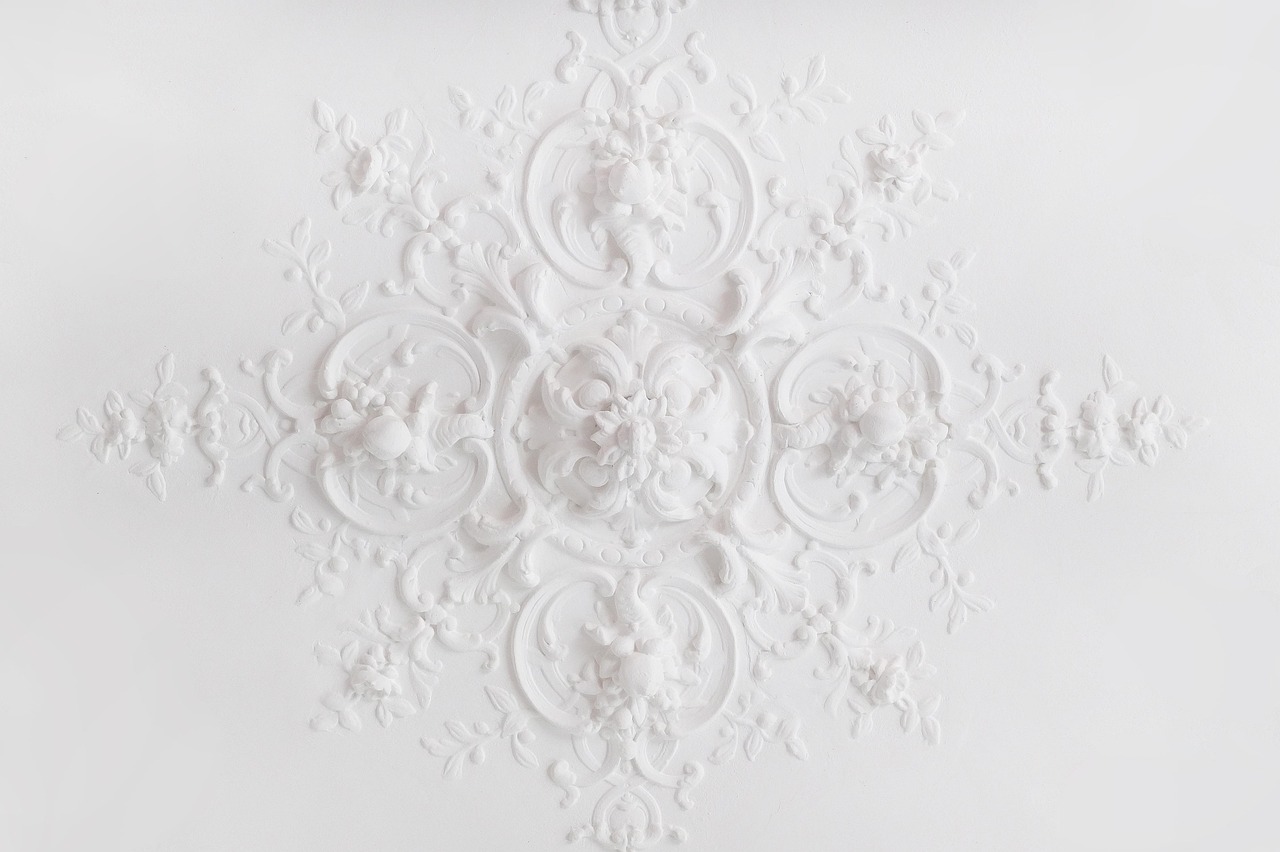
Smooth Finish: It can provide a smooth surface finish, making it suitable for artistic and decorative applications.
Fire Resistance: Gypsum, the main component of Plaster of Paris, has inherent fire-resistant properties, making it a preferred material in certain fireproofing applications.
According
to
European
standard
EN13279
Egyptian
standard
188/2013