Cement, Gypsum & Steel
OPC Cement & Clinker
Cement is a powdered binding material that, when mixed with water, sets to a hard mass used in building and construction. The most important of these hydraulic (constructional) cements is Portland cement.
Cement Types
Standards We Secure
General & Industrial Cement Types
These designations describe the chemical composition or primary performance characteristic of the cement.
OPC (Ordinary Portland Cement)
The most common, general-purpose cement, made from ground clinker and a little gypsum to control setting time. Used for general construction, residential buildings, pavements and reinforced concrete where sulfate exposure is low.
SR Cement (Sulfate Resisting)
OPC with strictly limited Tricalcium Aluminate (C3A) so it resists sulfate attack. Used for foundations in sulfate-rich soils, marine structures, sewage plants and coastal construction.
Slag Cement
A blend of OPC and Ground Granulated Blast-furnace Slag (GGBS). Lower heat of hydration and excellent long-term durability — ideal for mass pours (dams, thick mats) and marine environments.
Composite Cement
OPC blended with several supplementary materials (slag, fly ash, pozzolana or limestone) to lower carbon footprint and improve workability. For general construction, masonry and sustainable projects.
Oil Well Cement G-Class HSR
A specialised, High-Sulfate-Resistant cement to API Spec 10A for deep wells. Pumped thousands of feet underground to seal casing against rock, withstanding extreme pressure, heat and aggressive chemistry.
European Standard Designations (EN 197-1)
The European standard tells you exactly what is in the bag and how strong it is:
CEM I
Portland Cement (95–100% clinker).
CEM II
Portland-Composite (65–94% clinker plus slag, fly ash or limestone).
CEM IV
Pozzolanic Cement (clinker blended with volcanic ash or synthetic pozzolans).
32.5 / 42.5 / 52.5
Guaranteed 28-day compressive strength in MPa.
N vs. R
“N” = Normal early strength. “R” = Rapid early strength (hardens faster in the first 2–7 days).
Specific EN 197-1 Types
| Designation | Composition & Strength | Typical Applications |
|---|---|---|
| CEM I 42.5 R | Pure OPC, standard strength, fast curing. | Precast concrete, winter construction, projects needing quick formwork removal. |
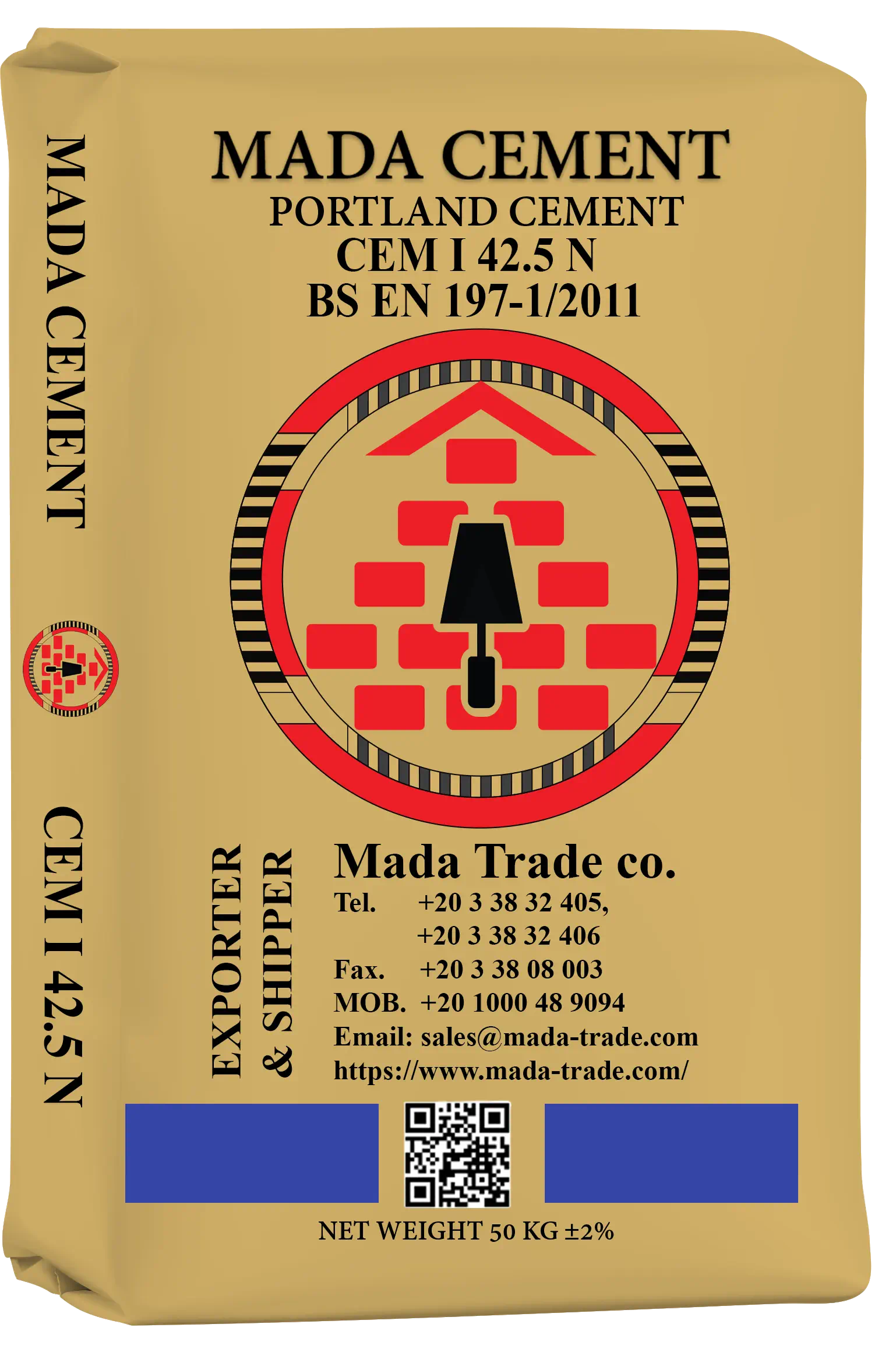
| CEM I 42.5 N | Pure OPC, standard strength, normal curing. | Everyday structural concrete and general civil engineering. |
| CEM II 42.5 R | Composite (lower carbon), standard strength, fast curing. | Eco-friendly precast and reinforced concrete needing quick turnaround. |
| CEM I 52.5 N | Pure OPC, high ultimate strength, normal early curing. | High-rise buildings, heavy infrastructure, bridges, high-strength mixes. |
| CEM II 52.5 N | Composite, high ultimate strength, normal early curing. | High-strength structural work with a lower carbon footprint than CEM I. |
| CEM II 32.5 R | Composite, lower ultimate strength, fast initial curing. | Masonry mortars, floor screeds and domestic rendering. |
| CEM IV 32.5 R | Pozzolanic blend, lower ultimate strength, fast initial curing. | Marine and agricultural structures, mild chemical exposure. |
American Standard Designations (ASTM C150)
US cement types use Roman numerals; a slash means the cement meets the requirements of both types at once.
Type I/II
Meets Type I (general purpose) and Type II (moderate sulfate resistance and heat of hydration). The North-American default for general construction, sidewalks and foundations.
Type II/V
Meets Type II and Type V (high sulfate resistance) — the American equivalent of SR cement, with very low C3A. For severe sulfate soils, sea walls, piers and wastewater infrastructure.
Clinker
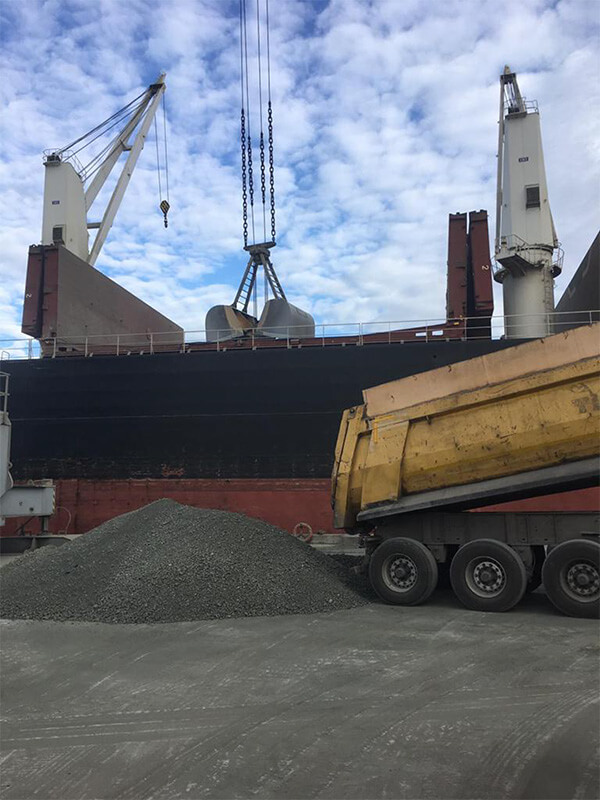
We export all types of clinker. Grey Clinker is the most suitable for producing cement types Cem I 42,5R, Cem I 42,5N, Cem II 42,5R, Cem I 52,5N, Cem II 52,5N, Cem II 32,5R, Cem IV 32,5R, Type I/II and Type II/V.
Cement Clinker Types
Strength Classes (32.5 / 42.5 / 52.5)
Ultimate strength depends on the C3S and C2S in the clinker; buyers adjust grinding fineness (Blaine) to hit each strength target.
Blended Cements (CEM II / CEM IV)
Because our clinker provides the core hydraulic reactivity, buyers blend it with local limestone, slag or pozzolans to make lower-carbon composite cements.
Setting Speeds (N vs. R)
Finer grinding and gypsum adjustment turn the base clinker into a rapid “R” high-early-strength cement rather than a normal “N” cement.
American Types (I/II, II/V)
Clinker suitable for Type II/V reflects excellent chemical control, keeping C3A low enough for high sulfate resistance.
Packing Options
Bulk Shipping
Loaded directly into the ship’s hold by conveyor (clinker) or pneumatic hose (cement). Best for 10,000–20,000+ ton volumes with silo storage. Lowest packaging cost and fastest loading.
FIBC Jumbo Bags (1–2 t)
High-strength woven PP with PE liner to keep cement dry and dust-proof. Lifting loops allow crane/forklift loading into containers or holds. For buyers without pneumatic silos.
Standard Bags (25 / 50 kg)
Multi-ply kraft or woven PP bags, palletised and shrink-wrapped or placed in 2-ton sling bags for safe ocean transit. For distributors and manual-unloading markets.
Terms of Delivery (Incoterms® 2020)
All international maritime transactions are governed by the official Incoterms® 2020 of the International Chamber of Commerce (ICC). We offer the following standard maritime delivery terms:
FOB — Free On Board
We handle export clearance, terminal handling and loading onto your vessel at our port; risk transfers once cargo is on board. You book and pay ocean freight, insurance and import.
CFR — Cost and Freight
We cover export, loading and ocean freight to your destination port; risk transfers at loading. You arrange your own marine insurance and import clearance.
CIF — Cost, Insurance & Freight
We manage export, freight and minimum marine insurance (ICC ‘C’, 110% of CFR value) to your port; risk transfers at loading. You manage unloading and import.
Please note: final delivery terms, freight rates and insurance provisions are confirmed in the Sales & Purchase Agreement (SPA). Alternative logistics frameworks can be discussed based on discharge-port facilities and cargo volume.
Facts & Questions
MADA TRADE CO. exports OPC, white cement and clinker from Egypt — grades CEM I/II/IV 32.5–52.5 N/R (EN 197-1), Type I/II and II/V (ASTM C150) and oil-well Class G HSR — certified to EN, ASTM/AASHTO and AFNOR. Shipped in bulk, FIBC or 25/50 kg bags, FOB/CFR/CIF from Alexandria, since 2005.
Ready to get started?
Let’s talk about creating your competitive advantage.
Frequently Asked Questions
What is Cement & Clinker and what is it used for?
Can Mada Trade Co. export Cement & Clinker internationally?
What packaging and minimum order quantities are available for Cement & Clinker?
How do I request a sample or price quotation for Cement & Clinker?